The movie “All Things Fair” (1995) is a poignant and thought-provoking film that delves into the complexities of human emotions and relationships. Set in Sweden during World War II, the film follows the story of a 15-year-old boy named Stig who develops a forbidden romance with his older married teacher, Viola.
The film explores themes of desire, morality, and the power dynamics at play in such a relationship. Stig’s infatuation with Viola leads him on a journey of self-discovery and awakening as he grapples with the consequences of his actions and the impact they have on those around him.
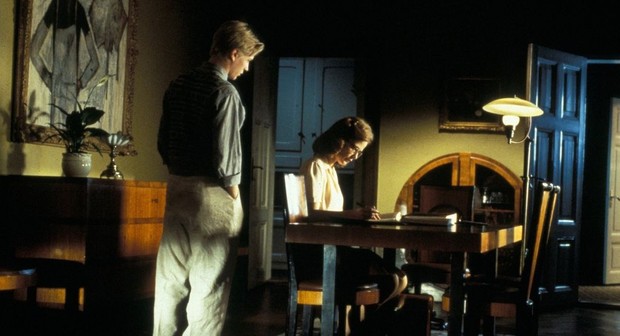
Through their illicit affair, the characters in “All Things Fair” navigate the blurred lines between right and wrong, love and lust, and maturity and naivety. The film challenges viewers to confront their own beliefs and perceptions about taboo relationships and the complexities of human desire.
The performances in the movie are compelling and raw, with the actors bringing depth and authenticity to their roles. The chemistry between Stig and Viola is palpable, drawing viewers into their tumultuous and forbidden love affair.
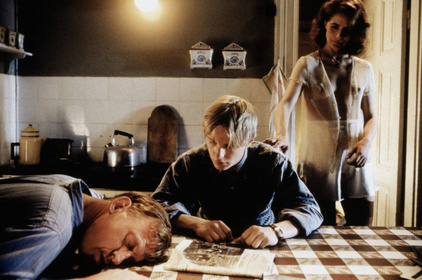
Visually, the film captures the stark beauty of Sweden’s landscapes, juxtaposed with the intensity of the emotions and relationships depicted on screen. The cinematography adds another layer of depth to the storytelling, enhancing the viewer’s immersion into the world of the characters.
Overall, “All Things Fair” is a gripping and emotionally charged film that challenges societal norms and explores the intricate nature of human connections. It invites viewers to reflect on the complexities of desire, morality, and the consequences of following one’s heart, even in the face of adversity.

In conclusion, “All Things Fair” is a must-watch for those who appreciate nuanced storytelling, compelling performances, and thought-provoking themes. It leaves a lasting impact and sparks conversations about love, desire, and the unpredictable nature of the human heart.
