Released in 2001, the movie “Mulholland Drive” is a surreal and enigmatic masterpiece directed by the acclaimed filmmaker David Lynch. The film takes the audience on a mind-bending journey through the dualistic landscape of dreams and reality, leaving viewers bewildered yet captivated by its intricate storytelling and haunting visuals.
“Mullholland Drive” follows the story of a young woman who survives a car crash on the titular road in Los Angeles with amnesia. She is later taken in by an aspiring actress who helps her unravel the mystery of her true identity. As the narrative unfolds, the boundaries between fantasy and truth blur, leading to unexpected twists and revelations that challenge conventional storytelling norms.
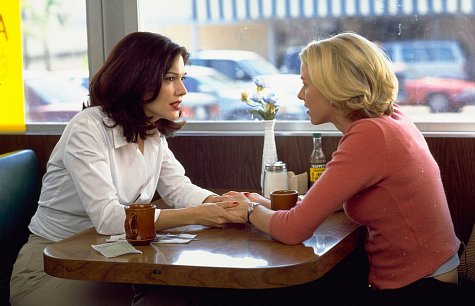
One of the standout features of “Mulholland Drive” is its non-linear narrative structure, which adds to the film’s enigmatic nature. Lynch masterfully weaves together different timelines and perspectives, creating a perplexing yet mesmerizing viewing experience. The movie’s dream-like sequences and surreal imagery further enhance its mysterious and hypnotic appeal.
The performances in “Mulholland Drive” are top-notch, with Naomi Watts delivering a career-defining performance as the aspiring actress Betty Elms. Her portrayal of a character navigating through a labyrinth of illusions and desires is both compelling and emotionally resonant. Alongside Watts, Laura Harring shines as the enigmatic amnesiac Rita, adding a layer of intrigue to the film’s already complex narrative.

Visually, “Mulholland Drive” is a feast for the eyes, with Lynch’s signature style evident in every frame. The use of shadow and light, coupled with the hauntingly beautiful cinematography, creates a dark and alluring atmosphere that perfectly complements the film’s thematic depth and emotional resonance.
The film’s haunting score, composed by frequent Lynch collaborator Angelo Badalamenti, further enhances the eerie ambiance of “Mulholland Drive.” The music serves as a haunting backdrop to the unfolding drama, accentuating the film’s emotional beats and amplifying its dream-like quality.
In conclusion, “Mulholland Drive” is a cinematic tour de force that defies categorization and challenges viewers to question their perceptions of reality. With its intricate narrative, mesmerizing visuals, and stellar performances, the film stands as a testament to Lynch’s unique vision and storytelling prowess. A true masterpiece that continues to captivate audiences and critics alike, “Mulholland Drive” remains a must-watch for lovers of art house cinema and surreal storytelling.
