“Psychout for Murder” is a gripping psychological thriller film released in 1969 that keeps viewers on the edge of their seats from start to finish. Directed by the renowned filmmaker Alfred Hitchcock, this movie delves into the intricate workings of the human mind, exploring themes of manipulation, deception, and ultimately, murder.
The plot of “Psychout for Murder” follows the story of Emily, a young and ambitious investigative journalist who becomes entangled in a web of lies and deceit while pursuing a high-profile case. As Emily delves deeper into the mystery surrounding the murder of a prominent businessman, she soon realizes that nothing is as it seems. The intricate plot twists and turns, keeping viewers guessing until the shocking climax.

One of the key aspects that sets “Psychout for Murder” apart from other thrillers of its time is its focus on character development. The protagonist, Emily, is portrayed as a strong and independent woman who must navigate a dangerous world filled with treachery and danger. Her evolution throughout the film is both captivating and relatable, drawing viewers into her world and keeping them emotionally invested in her journey.
The cinematography in “Psychout for Murder” is also worth noting, with Hitchcock’s signature visual style adding an extra layer of depth to the storytelling. The use of light and shadow, camera angles, and strategic framing all serve to enhance the tension and suspense of the narrative, creating a truly immersive viewing experience.
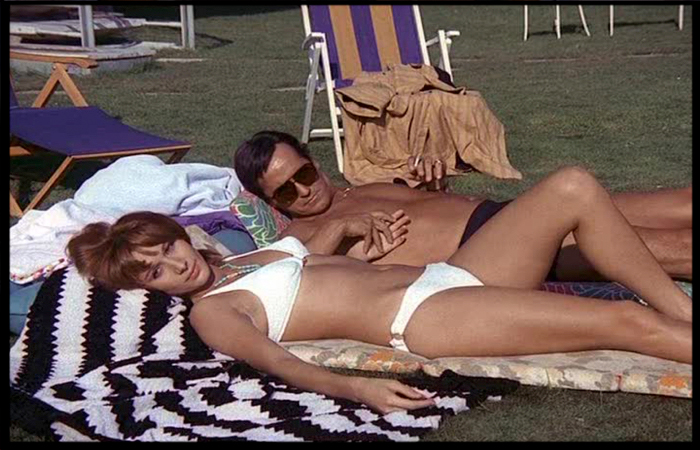
Overall, “Psychout for Murder” is a masterclass in psychological suspense, blending intricate storytelling with compelling characters and stunning visuals. With its intricate plot, strong character development, and expert direction, this film remains a timeless classic that continues to captivate audiences decades after its initial release.
