Willy Wonka is a character beloved by audiences of all ages. The iconic chocolatier first made his appearance in Roald Dahl’s classic children’s book, “Charlie and the Chocolate Factory,” and has since been depicted in various film adaptations. One of the most famous portrayals of Willy Wonka is by Gene Wilder in the 1971 film “Willy Wonka & the Chocolate Factory.”
The movie, directed by Mel Stuart, follows the story of a young boy named Charlie Bucket who wins a golden ticket to visit Willy Wonka’s mysterious chocolate factory. Audiences were captivated by Wilder’s charismatic and enigmatic portrayal of Wonka, as well as the whimsical and colorful world created by Dahl.

The enduring appeal of the Willy Wonka movies lies in their ability to transport viewers to a fantastical world filled with magic, wonder, and, of course, chocolate. The themes of imagination, adventure, and the triumph of good over evil resonate with audiences of all generations.
In 2005, director Tim Burton took on the task of reimagining the story with Johnny Depp playing the eccentric chocolatier in “Charlie and the Chocolate Factory.” While the film received mixed reviews, Depp’s portrayal of Wonka brought a darker and more eccentric flavor to the character, adding a new dimension to the classic tale.
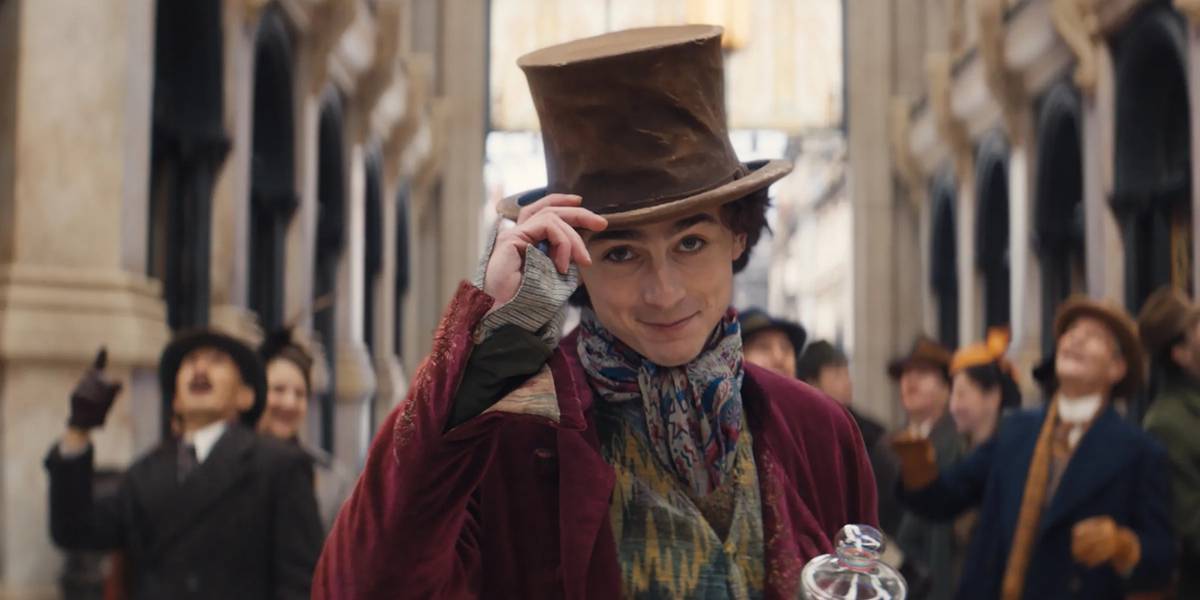
The character of Willy Wonka continues to hold a special place in popular culture, with references to him appearing in music, literature, and even fashion. The impact of Willy Wonka movies goes beyond entertainment, as they inspire creativity, imagination, and a sense of childlike wonder in viewers of all ages.
Whether it’s the classic charm of Gene Wilder or the quirky eccentricity of Johnny Depp, Willy Wonka movies have left an indelible mark on cinema history. The timeless appeal of these films ensures that Willy Wonka and his magical chocolate factory will continue to delight and enchant audiences for years to come.
